


The phrase make America godly again lands in different ways. Some hear a call to moral renewal. Others hear a political slogan wrapped in religious language. Many people feel both reactions at once, because the words carry hope, memory, and tension.
That tension is real. Americans disagree about faith in public life, the role of churches, and how moral language should sound in a diverse country. Still, many people want the same basic things: honesty, stronger families, safer neighborhoods, and more care for people who are hurting.
The phrase becomes more useful when it points away from slogans and toward habits. Public arguments matter, but daily conduct matters more, so the real test is how people live.
What people mean when they say make America godly again
In plain language, most people who use this phrase are asking for a country with stronger moral roots. They usually mean more truthfulness, more compassion, more self-control, and more respect for others. For many Christians, it also means a return to prayer, repentance, and biblical values in ordinary life.
Still, the phrase doesn't mean one single thing to everyone. Some religious Americans hear a broad call to virtue. Others hear a sharper call to national repentance. Some secular readers agree with the moral goals but dislike the wording, because it sounds like one faith tradition is speaking for the whole nation.
From a slogan to a way of life
Words on signs can start a conversation, but they can't do the hard work of change. The phrase may appear on bumper stickers, social posts, or a Make America Godly Again hat, yet public symbols only matter if they point to real character.
A godly way of life looks smaller and harder than a slogan. It shows up when a parent admits fault, when a worker tells the truth, and when a neighbor helps without asking for praise. That's where moral renewal gets real.
Why the wording sparks strong reactions
The words carry hope for some people because they connect faith with healing. They carry fear for others because they sound like pressure, exclusion, or a demand to fit one religious mold. In a country with many beliefs and many wounds, that response makes sense.
You can see that range in current commentary. One Christian Post essay frames the phrase as a call to return to God's will. Other readers still worry that the language can become a badge of division if it lacks humility. Understanding that split helps the conversation stay honest.
The habits that make a godly culture possible
A stronger moral culture doesn't begin in Washington. It begins in kitchens, classrooms, job sites, church foyers, and group texts. People don't wake up in a healthier country by accident. They build one through repeated choices.
Truthfulness matters because trust dies without it. Humility matters because pride turns every disagreement into a fight. Forgiveness matters because families and towns can't survive on scorekeeping alone. Charity matters because hardship is never far away. Personal responsibility matters because blame rarely repairs anything.
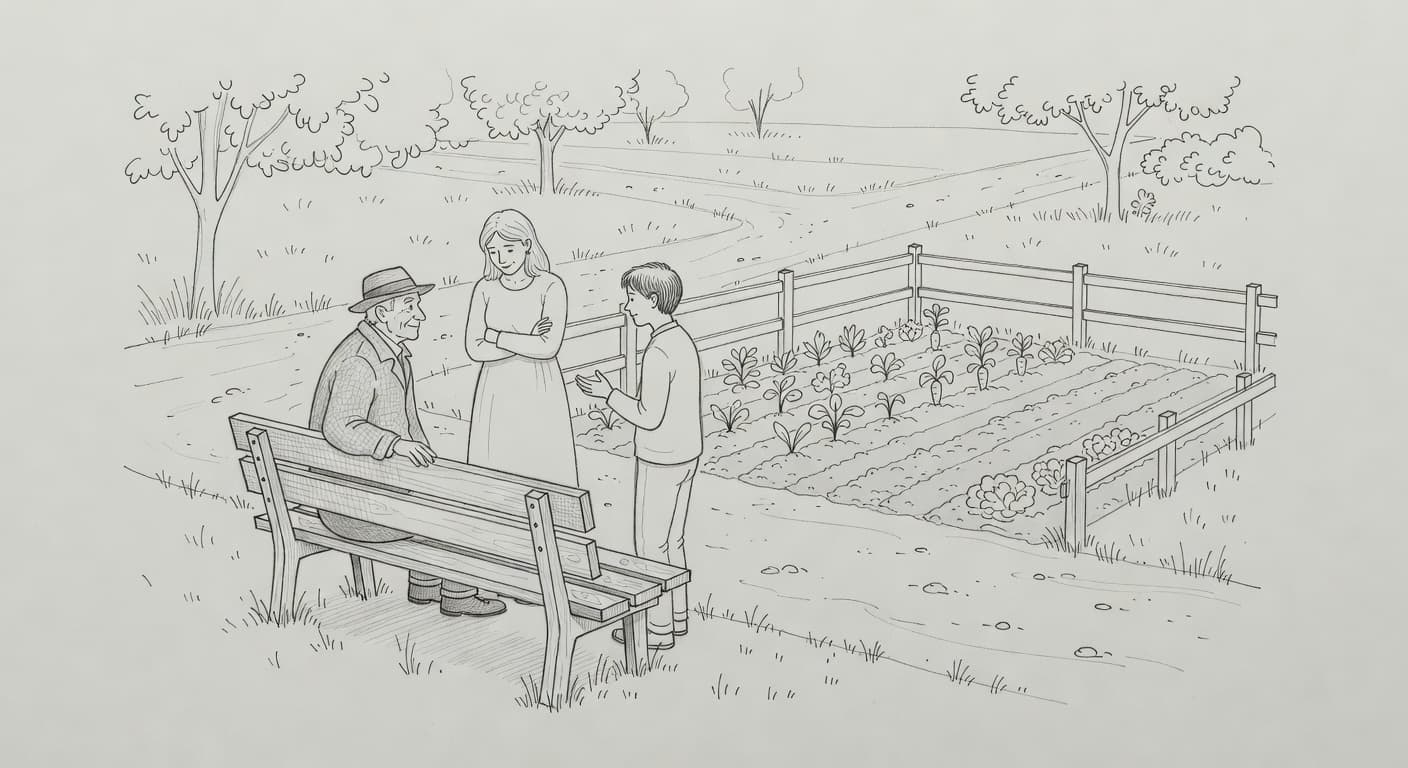
A godly culture is built by ordinary people doing ordinary good, day after day.
Faith at home, not just on Sunday
Home is where values become visible. Children watch how adults handle stress, money, conflict, and disappointment. They notice whether prayer is real or performative. They remember the tone at the dinner table long after they forget a lecture.
Simple habits help. Families who eat together, pray together, serve others together, and speak with care create a stronger moral center. Perfection isn't the goal. Steady patterns are what shape people over time.
Integrity in work, school, and online
Character has to travel with you. It belongs at the office, in the classroom, and on your phone. A godly culture grows when people keep promises, show up on time, refuse to cheat, and give others credit.
Online life matters too, because many people now meet one another through screens before they ever meet face to face. Sharing false claims, mocking strangers, or feeding outrage trains the heart in the wrong direction. By contrast, patience and truth online can lower the temperature in public life. Some writers, including Looking for the Blessed Hope, connect this phrase to public witness and moral conviction. That witness becomes believable when daily conduct matches the words.
How churches and communities can lead with grace
Local life has more power than national noise. Churches, schools, nonprofits, and neighborhood groups can build trust because they deal with real people, not abstract talking points. When they show up with consistency, communities feel it.
That public witness matters more than winning arguments. People are more likely to believe in moral renewal when they can see love, stability, and honesty with their own eyes. A congregation that serves its town well often says more than a hundred sharp posts ever could.
Serving people with real needs
Need has a way of stripping slogans down to their value. A family facing eviction doesn't need a debate first. A person battling addiction needs support, structure, and steady care. A child in foster care needs adults who keep showing up.
This is where churches and neighbors can make faith visible. Food drives, counseling, recovery groups, foster care support, rides to appointments, job coaching, and disaster relief all turn belief into service. In many places, that's already happening. A message from David Marvin makes a similar point, arguing that renewal starts with faith rather than politics. Whether people agree with every line or not, the basic truth holds: love becomes easier to trust when it takes concrete form.
Speaking truth without losing kindness
Strong beliefs don't require harsh speech. In fact, people often hear truth better when it comes with patience and respect. That doesn't mean hiding convictions. It means carrying them with self-control.
Kind speech isn't weak speech. It listens before it answers. It avoids insults. It leaves room for grief, confusion, and questions. Many people carry church hurt, family pain, or public shame into these conversations. When believers remember that, their words land with more grace and less heat.
What a more godly America could look like in daily life
If people want to make America godly again, they should picture habits before headlines. The goal isn't a flawless nation. The goal is a healthier common life, one where trust grows, cruelty shrinks, and people take duty more seriously.
That kind of change would feel practical. Streets might not become perfect, but neighbors would look out for one another more often. Families would still struggle, yet more homes would have steadier routines and calmer speech. Public life would still include disagreement, though less contempt would spill into every meeting and comment thread.
Signs of renewal people can actually notice
The signs would be plain enough to see. There would be less bitterness in school board meetings and church disputes. More people would return shopping carts, pay what they owe, and stop treating service workers with contempt. Public apologies would sound sincere because they would come with changed behavior.
Generosity would also become more normal. You'd see it in a meal train for a sick parent, a mentor helping a father find work, or a church quietly covering a utility bill. Hope becomes more credible when people can point to these things. One recent essay on "Make America Godly Again" captures that longing for visible moral repair, but the strongest proof is still local and lived.
Why hope matters more than outrage
Anger can expose what's broken, but it rarely repairs it. Outrage burns hot and then burns people out. Hope lasts longer because it keeps praying, serving, forgiving, and trying again after setbacks.
That kind of hope isn't blind. It sees the damage done by dishonesty, addiction, family collapse, and public cruelty. Yet it still believes people can change. When hope guides action, renewal has somewhere solid to stand.
Conclusion
Making America godly again is less about repeating a phrase and more about choosing a way to live. The deepest work happens in homes, churches, schools, workplaces, and neighborhoods where people tell the truth, keep their word, and treat others with mercy.
A better public life grows from private habits that become shared habits. That's why renewal starts with the next conversation, the next apology, the next act of service, and the next quiet decision to do what is right.
The clearest place to begin is close at hand: your own habits, your own family, your own church, and your own community. A country changes the same way a person does, one faithful step at a time.
